


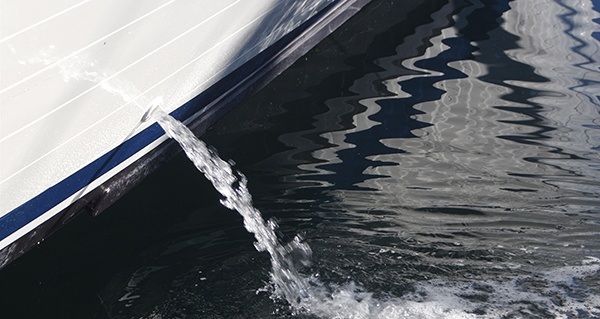
A bilge that is half-full is more than just a nuisance; it’s a threat to your boat’s stability and can lead to expensive engine or electrical damage. If you are docked in Kemah, Seabrook, or League City, here is how to handle a dual pump failure.
1. Immediate Troubleshooting
Before the water level rises further, check these three common failure points:
The Float Switch: Debris often gets lodged under the float switch, preventing it from rising and activating the pump. Clear any gunk or stray zip ties from the area.
Blown Fuses/Breakers: If both pumps are out, check your main electrical panel. A surge or a clog in one pump may have tripped the circuit for both.
Power Supply: Corrosion is a major issue in our humid Texas coastal environment. Check the wiring connections at the battery and the pump for “green death” (corrosion).
2. Manual De-watering
If the pumps won’t click on manually via the helm switch, do not wait. Use a manual hand pump or buckets to get that water level down. Every inch of water adds significant weight to your hull, changing how it sits in the water and potentially submerged sensitive components.
3. Identifying the Source
While you address the pumps, you must find out why the bilge is 1/2 full. In the Clear Lake and Galveston Bay area, common culprits include:
Leaking stuffing boxes or PSS seals.
Corroded thru-hull fittings.
Leaky raw water cooling hoses.
Professional Marine Repair in Kemah & Beyond
Don’t risk your investment by leaving a failing bilge system to chance. Yes Centers provides expert marine electrical and mechanical services to the entire 30-mile radius around Kemah, including Texas City, San Leon, and El Lago.
We can diagnose why both pumps failed—whether it’s a shared ground wire issue, aged impellers, or a faulty float switch system—and get you back on the water with confidence.
Visit Us or Call Today:
Address: 828 Marina Bay Dr, Kemah, TX 77565
Phone: +1 281-538-9377


